SEO vs Google Ads: Which Is Better for Your Business?
SEO vs Google Ads: Which Is Better for Your Business? SEO vs Google Ads is
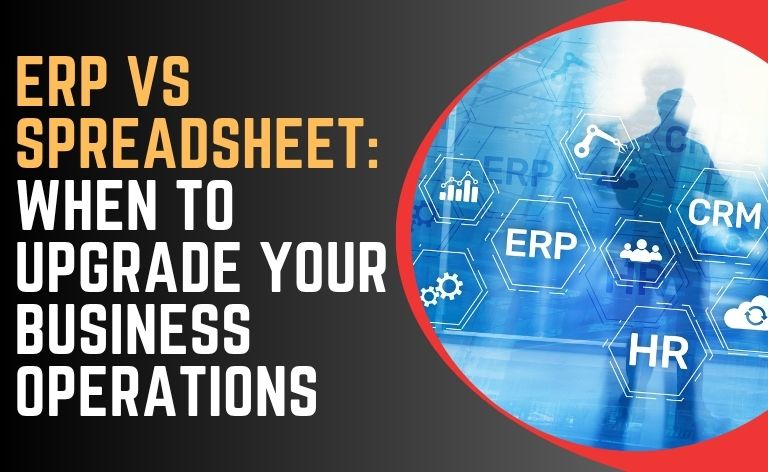
Are you still relying on Excel spreadsheets to manage your accounts, inventory, and daily operations? Do you often struggle with data duplication, manual errors, and the chaos of scattered files? Are your teams spending more time maintaining sheets than actually growing the business?
If these situations sound familiar, it’s time to ask an important question — is your business ready to move from spreadsheets to an ERP system?
In today’s fast-paced business world, efficiency, accuracy, and automation are not luxuries—they’re necessities. Businesses that continue to rely solely on spreadsheets often find themselves lagging behind competitors who have already embraced integrated ERP systems. Let’s explore how this shift can completely transform your business operations, boost productivity, and streamline growth.
Spreadsheets like Microsoft Excel or Google Sheets are familiar tools used for calculations, tracking, and simple data management. They work well for startups or very small businesses handling limited data. However, as operations expand, manual processes begin to slow things down and create room for costly errors.
An ERP system (Enterprise Resource Planning), on the other hand, integrates all your business functions—finance, HR, inventory, procurement, sales, and customer management—into a single, automated platform. It provides real-time insights, reduces duplication, and enhances decision-making by connecting departments seamlessly.
While spreadsheets are inexpensive and easy to use, they have major limitations when it comes to scalability and collaboration.
If your business is facing these issues, you are already losing valuable time and money—resources that could be invested in growth.
An ERP system eliminates these bottlenecks by centralising data and automating workflows. It allows you to manage your business operations from one unified dashboard.
Here’s how ERP systems simplify your day-to-day:
Whether you are a small enterprise or an expanding company, ERP solutions provide the structure and clarity spreadsheets simply cannot.
Feature | ERP System | Excel Spreadsheet |
Data Management | Centralised and automated | Manual and decentralised |
Error Handling | Reduces human error with automation | Prone to manual entry mistakes |
Collaboration | Multi-user access with real-time updates | Limited access for multiple users |
Reporting | Instant analytical reports | Time-consuming manual reports |
Scalability | Easily scales with business growth | Becomes complex with more data |
Security | Advanced user control and data encryption | Basic password protection |
Cost | Higher initial setup, long-term ROI | Low cost but high long-term inefficiency |
You don’t need an ERP system when you want it—you need it when your spreadsheets can no longer keep up. Here are a few clear signs that it’s time for an upgrade:
If even two of these apply, it’s time to transition to a robust ERP system that can automate, centralise, and simplify your back-office operations.
For small and medium enterprises (SMEs), adopting an ERP system might feel like a big step. However, ERP for small business is designed to be affordable, scalable, and cloud-based, offering the flexibility that spreadsheets lack.
In short, ERP helps SMEs operate like large enterprises—without the complexity or cost.
ThinkNEXT Technologies, a leading ERP software company in Chandigarh, helps businesses upgrade from outdated spreadsheet systems to advanced ERP solutions. Our ERP services are tailored to simplify your workflow, improve accuracy, and ensure that your business runs seamlessly across all departments.
We provide:
Apart from ERP, ThinkNEXT also offers website design, Digital Marketing, SEO, and PPC services, helping businesses achieve digital excellence across every front.
When your business adopts ERP through ThinkNEXT, it doesn’t just upgrade systems—it upgrades efficiency, performance, and profitability.
Investing in an ERP system today brings measurable returns tomorrow.
Ultimately, an ERP system becomes the backbone of your company’s operations, keeping every function connected and efficient.
As technology continues to evolve, spreadsheets will soon become a thing of the past. Businesses adopting ERP early will stay ahead of the curve, with automation and analytics driving every decision. Cloud ERP systems, AI-driven automation, and mobile-friendly dashboards are now shaping the future of business management.
Those who resist the shift may soon find themselves outpaced by competitors with smarter, faster systems.
The comparison between spreadsheets and ERP systems is more than just about tools—it’s about mindset. While spreadsheets limit your potential, an ERP system empowers your business to grow efficiently, make data-driven decisions, and remain competitive.
If you’re ready to move beyond manual spreadsheets and embrace a smarter way of working, it’s time to explore ERP solutions. With expertise from ThinkNEXT Technologies, you can implement a powerful ERP system tailored to your needs and start experiencing the difference automation can bring.
Contact Details
ThinkNEXT Technologies Private Limited
Address: SCF 113, Phase 11, Sector 65, Mohali, Punjab
Phone: 7837402000, 7837403000
Email: info@thinknext.co.in
Website: https://www.thinknext.co.in/
Q1. What is an ERP system and how is it different from a spreadsheet?
Ans. An ERP system is an integrated software solution that automates and manages various business functions like finance, HR, inventory, and sales from a single platform. Unlike spreadsheets, which require manual data entry and updates, ERP systems centralise all your information in real time—reducing errors and improving collaboration across departments.
Q2. Why should my business move from Excel spreadsheets to an ERP system?
Ans. Spreadsheets are fine for small operations, but as your business grows, managing multiple files becomes inefficient and risky. An ERP system offers automation, real-time tracking, and detailed analytics, ensuring better control and faster decision-making. It helps save time, cut costs, and boost productivity.
Q3. Is an ERP system suitable for small businesses too?
Ans. Yes, absolutely. ERP for small businesses is designed to be affordable, cloud-based, and scalable. It helps small enterprises manage daily operations effectively, gain real-time insights, and compete with larger players without needing big IT infrastructure.
Q4. How can an ERP system improve my business operations?
Ans. An ERP system streamlines every process—from managing stock and invoices to tracking employees and customers. It automates routine tasks, reduces manual errors, and provides real-time visibility into business performance. This leads to smarter planning, better productivity, and improved profitability.
Q5. What are the main advantages of using an ERP system over Excel spreadsheets?
Ans. Key advantages include:
Centralised data management
Real-time access and reporting
Improved collaboration between teams
Automated workflows and reduced human error
Enhanced scalability and security
Simply put, ERP systems grow with your business while spreadsheets hold it back.
Q6. How long does it take to implement an ERP system?
Ans. The implementation time depends on the size and complexity of your business. For small and medium enterprises, it can take a few weeks to a few months. Partnering with an experienced ERP software company like ThinkNEXT Technologies ensures smooth, timely, and efficient deployment with minimal disruption.
Q7. What is cloud ERP and how is it beneficial?
Ans. Cloud ERP is a web-based ERP system that allows you to access your business data anytime, anywhere through the internet. It eliminates the need for heavy infrastructure, reduces IT costs, and ensures automatic updates. It’s ideal for businesses looking for flexibility, scalability, and remote accessibility.
Q8. How secure is an ERP system compared to spreadsheets?
Ans. ERP systems offer advanced security features such as role-based access, data encryption, and automated backups. Spreadsheets, on the other hand, can be easily shared, copied, or edited without control. ERP provides complete control over who can view or modify sensitive information.
Q9. Can ThinkNEXT Technologies help customise an ERP system for my business?
Ans. Yes. ThinkNEXT Technologies, one of the leading ERP software companies in Chandigarh, provides customised ERP solutions tailored to your business needs. Whether you are a small enterprise or a large organisation, ThinkNEXT designs ERP systems that align perfectly with your goals and workflows.
Q10. What kind of support can I expect after implementing ERP?
Ans. With ThinkNEXT Technologies, you receive complete post-implementation support, including regular updates, troubleshooting, and training for your team. Their ERP services ensure your system runs smoothly and continues to deliver measurable business results.
Enquiry Form
SEO vs Google Ads: Which Is Better for Your Business?
SEO vs Google Ads: Which Is Better for Your Business? SEO vs Google Ads is

Best Industrial Training Institute in Mohali for IT Students
Best Industrial Training Institute in Mohali for IT Students Are you searching for an industrial
Mobile App Development in Chandigarh for Startups
Mobile App Development in Chandigarh for Startups Are you searching for reliable mobile app development
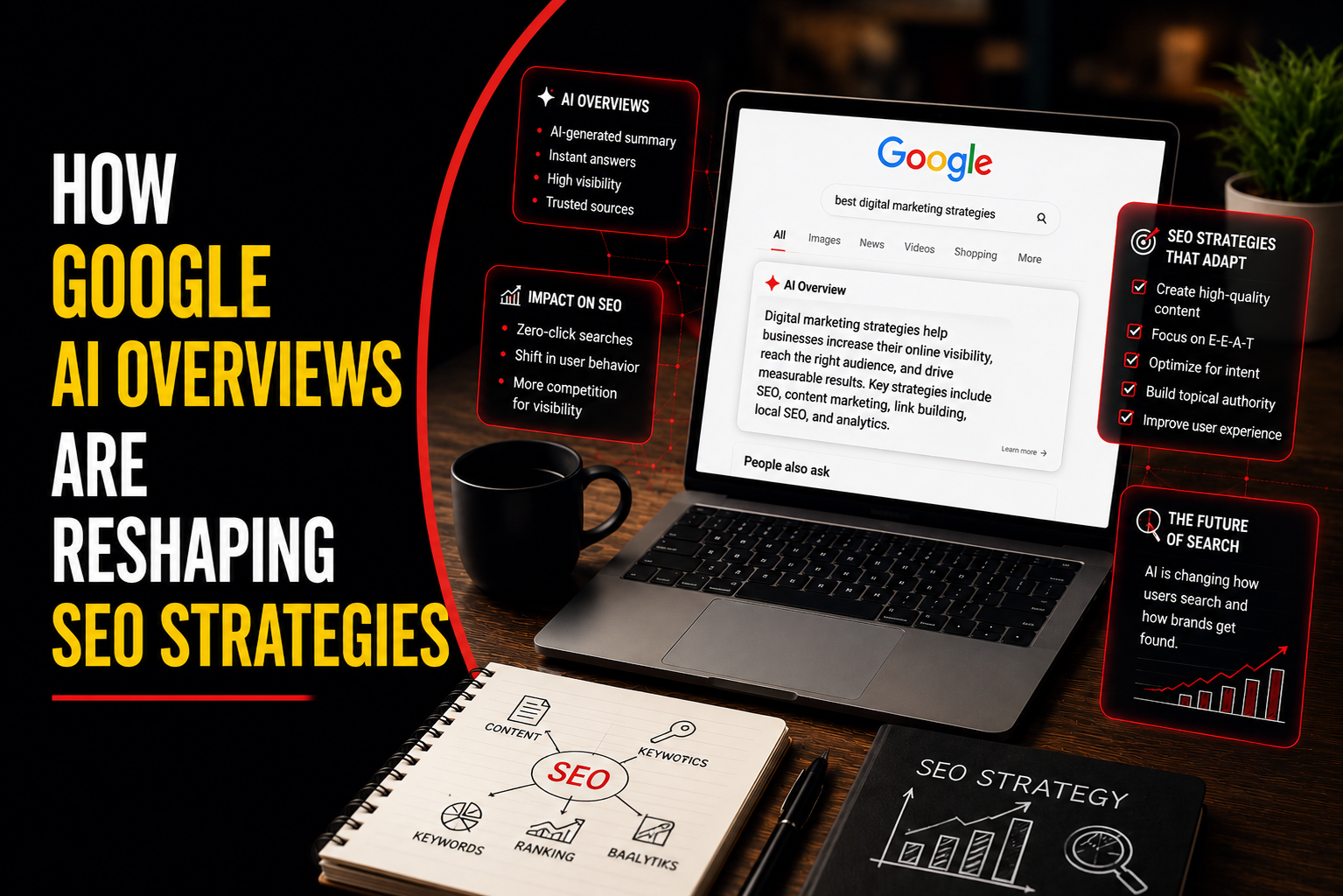
How Google AI Overviews Are Reshaping SEO Strategies
How Google AI Overviews Are Reshaping SEO Strategies Are you searching for Google AI Overviews
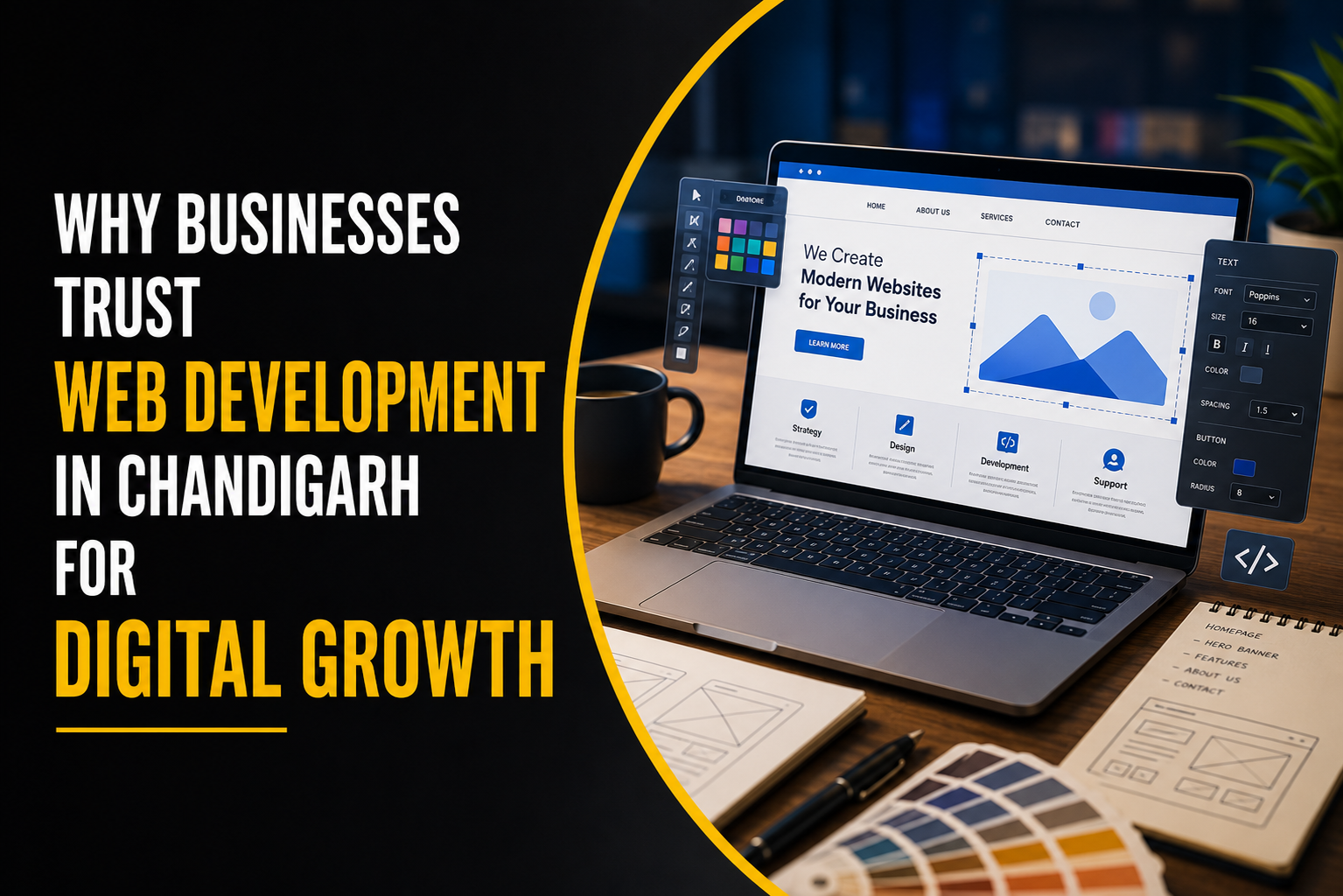
Why Businesses Trust Web Development in Chandigarh for Digital Growth
Why Businesses Trust Web Development in Chandigarh for Digital Growth Are you looking for reliable

Promote your business online with SEO Company in Chandigarh
Promote your business online with SEO Company in Chandigarh Are you looking for an SEO